









































Caregiver burnout with fifty percent plus showing depressive symptoms
15-11-26
Caregiver burnout with fifty percent plus showing depressive symptoms
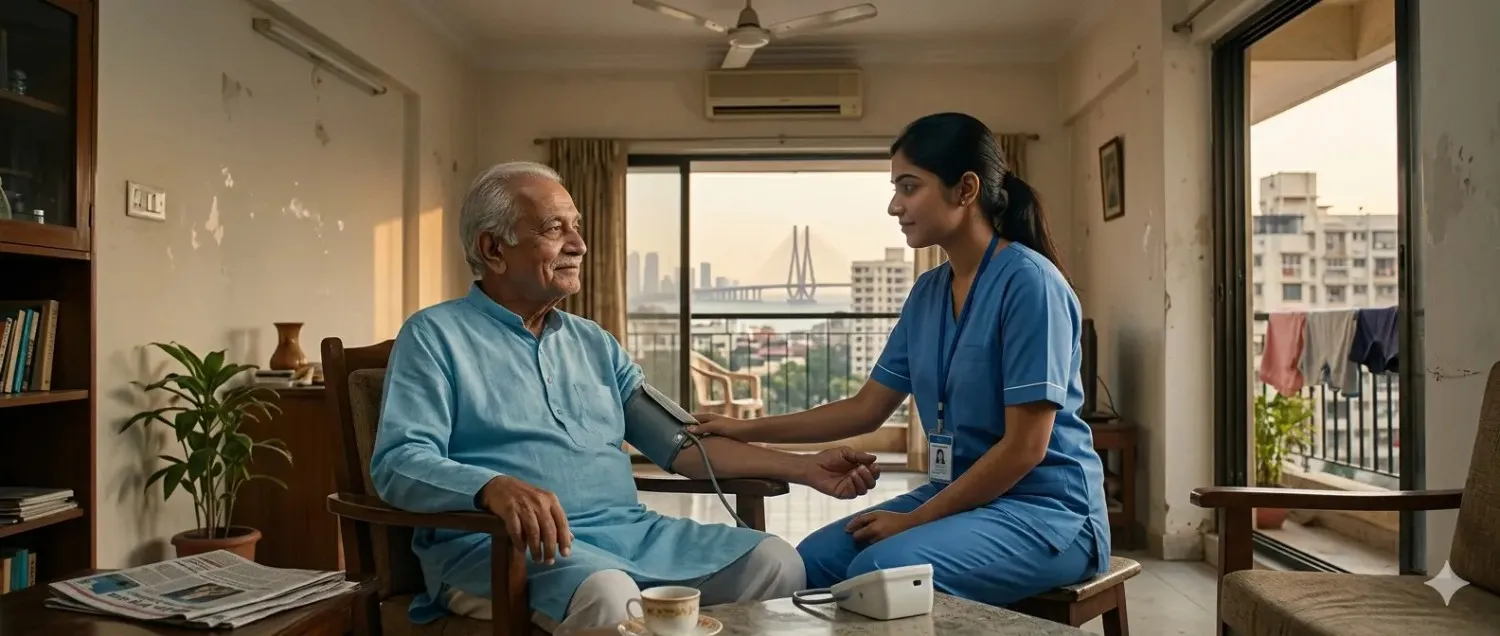
At Healthy Wrinkles and at AISCCON, we get to talk to several seniors and their family members. One common theme that emerges is around caregiver stress; physical as well as emotional.
In one such recent conversation with a daughter who manages her mother at home, we spoke about her stress, anxiety, impact on her career, a feeling of guilt and overall poor mental health. There are medicines to manage, appointments to arrange and nights when sleep is interrupted and so on. Often, she takes on most of this. Her own health is getting impacted, her physician appointments getting postponed, and even a few hours away can be hard to arrange.
When these demands continue with too little rest or support, the physical and emotional exhaustion can build into caregiver burnout. It can affect an elderly spouse caring for partner, an adult child juggling work and care, or any family member who has become the person everyone depends on.
How can families spot it?
Look for changes that persist. The caregiver may be tired most days, sleep poorly, become more irritable or worried, or lose interest in things they used to enjoy. The impact can extend to their health, family relationships and their ability to keep up with the older person’s care.
Depressive symptoms also deserve attention. The Family Caregiver Alliance reported that nearly 60% of caregivers showed signs of depression. Even the data from Indian studies indicate almost 50% of caregivers (long term care) can suffer depressive symptoms.
What can families do?
1. Plan a break through respite care. Respite care means arranging for someone else to provide care temporarily so the regular caregiver can rest, attend to their own health or take care of other commitments. A relative taking over for a few hours can help. Some families need a longer break.
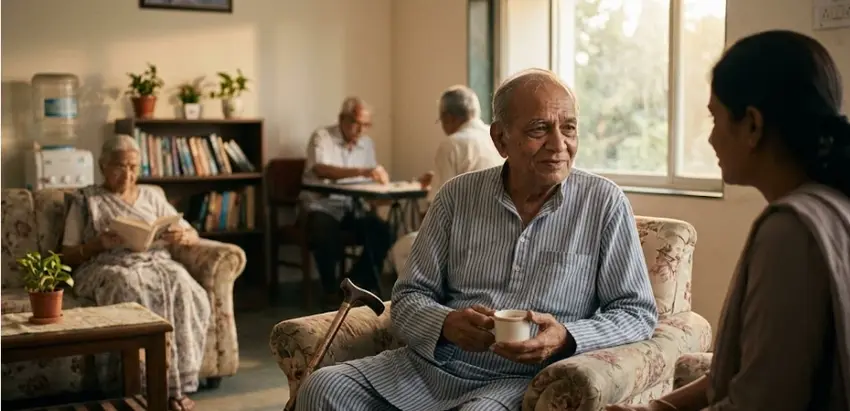
At SNEH, our senior home in Thane, we offer short stays of 15 days or one month. It’s an option families can plan in advance when an older person needs ongoing support and their caregiver needs time away from daily care responsibilities.
https://youtu.be/rdlPKRHVQps?si=K9s80NFutYlxASng
2. Share specific tasks. One person can take over appointments. Another can cover a regular evening or weekend. A family member who lives elsewhere can arrange backup care. Agree on who will do what and when.
3. Seek support early. A caregiver support group can offer practical ideas and a place to talk. If low mood, anxiety or sleep problems persist or interfere with daily life, speak with a doctor or mental health professional. Alternatively, you can call us up and join the caregiver group.
If someone in your family is doing most of the caring, ask them this week: “What can I take off your hands, and when would it help most?”
Sneh – Premium Senior Homes
Near Lodha Amara, Thane
For Families Who Care
By Healthy Wrinkles – One Stop for Trusted Senior Care
Phone: +91 91360 38418 | +91 99679 13884
Email: support@healthywrinkles.com
Website: www.healthywrinkles.com
Author: Shrihari Shidhaye
Founder – Healthy Wrinkles | Secretary General – AISCCON
About the Author
Shrihari Shidhaye is the Founder of Healthy Wrinkles, a platform focused on trusted senior care services, and the Secretary General of AISCCON, a national federation representing senior citizens across India. With more than three decades of experience in healthcare and the pharmaceutical sector, he works actively in the areas of healthy ageing, longevity awareness, senior care systems, and advocacy for the elderly. Through the Shatayushi series, he aims to bring scientific thinking and practical guidance together in a simple and useful form.